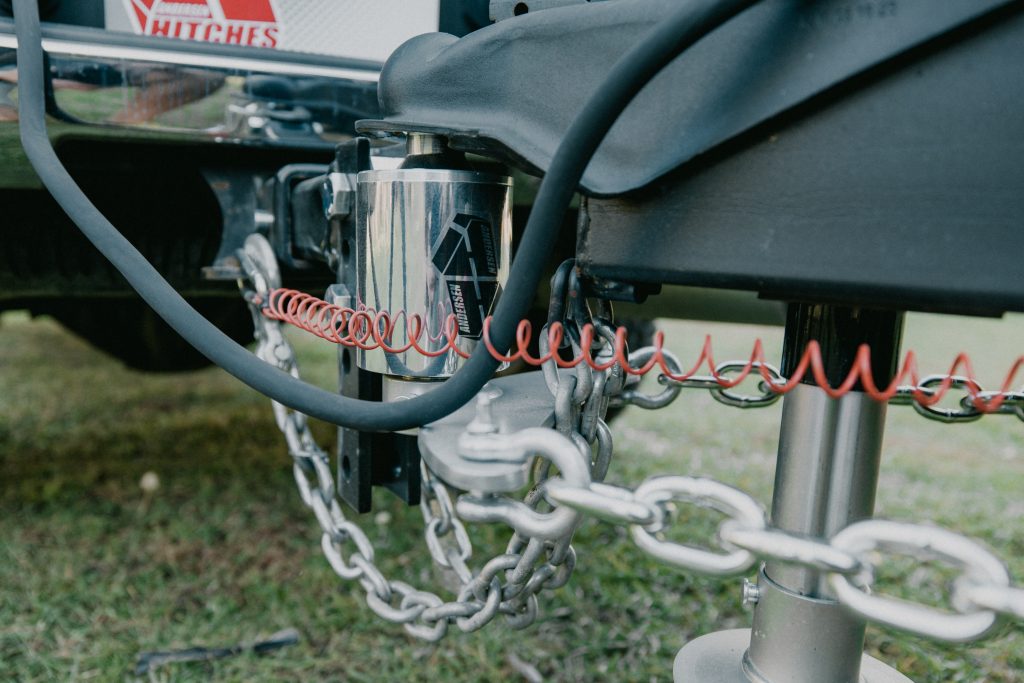
When you hook up a trailer to your vehicle, there is more going on than just dragging a load. Weight gets shifted. Your steering may feel loose. The back of your vehicle might dip, and your headlights could point too high. That is where the weight distribution hitch benefits really start to show. If that sounds familiar, you are not alone. But there is a solution that does more than just help, it transforms the entire towing experience. Enter the weight distribution hitch.
Let’s break down what this tool really does, why it matters, and how it could be the smartest towing upgrade you ever make.
A weight distribution hitch is not just another towing accessory. It is a complete system designed to spread your trailer’s tongue weight more evenly across your vehicle and trailer axles.
Without it, all that downward force hits your vehicle’s rear axle, which causes sagging, poor handling, and in worst cases, trailer sway. But with a proper distribution hitch, the weight is leveled out. That means better control, smoother rides, and less stress on your vehicle.
Let’s dive into the top reasons why every serious hauler should consider a weight distribution hitch. These are more than perks—they are game-changers.
The biggest reason? Safety. When your load isn’t balanced, it can affect how your vehicle responds to steering and braking. That means less control in sudden turns or emergency stops.
A weight distribution hitch helps you stay in command. By balancing out the load across all axles, your vehicle drives more like it does when it’s not towing at all. That added control could be the difference between a smooth stop and an accident.
Trailer sway can be downright terrifying. It often happens when passing large vehicles, during strong winds, or while driving downhill.
One of the biggest weight distribution hitch benefits is how it limits this sway. Most systems come with sway control, which keeps your trailer lined up with your vehicle—even when the road gets sketchy.
Heavy tongue weight on the back of your vehicle shifts the front end upward. That reduces tire contact with the road, which affects steering and braking.
With a distribution hitch, your vehicle stays level. That translates to tighter steering and more reliable stopping power. For anyone pulling a heavy trailer, that peace of mind is priceless.
An unbalanced load puts too much pressure on your rear tires and suspension. Over time, that means uneven tire wear and potential damage to your shocks or springs.
A weight distribution hitch spreads out the weight, reducing that pressure. The result? Your tires last longer, your ride is smoother, and your suspension does not take a beating.
Here’s something many folks don’t realize: using a distribution hitch can actually increase your towing capacity—legally and safely.
Many vehicle manufacturers state that their maximum towing weight is only possible with a weight distribution system in place. That means if you’re towing without one, you may be operating under your actual limit.
When your trailer sits unevenly, it messes with airflow and adds drag. Your engine ends up working overtime just to keep up, and you feel that pain at the pump. That imbalance? It eats up fuel faster than you think.
Using a weight distribution hitch helps keep everything level, which smooths out the ride and cuts down wind resistance. It might seem like a small tweak, but on longer trips, it can really stretch your gas mileage and save you money in the long run.
So when is it necessary? Here are some common signs and situations where a weight distribution system should be in your setup:
If any of these sound familiar, the solution is simple.
While most weight distribution hitches follow the same general principles, some do it better than others.
Andersen Hitches has redesigned the traditional system using modern materials and engineering. Their hitches are quieter, easier to install, and offer unmatched sway control—all while weighing far less than clunky old steel systems.
Instead of chains and noise, Andersen’s hitches use greaseless cone systems for smoother turns and simple setups. If you want safer towing without the hassle, their system is hard to beat.
A trailer is only as safe as the setup pulling it. Without a weight distribution hitch, you are inviting instability, wear, and potential danger on the road. With one? You get peace of mind, better handling, and longer life out of your rig.
It is not just about the tow—it is about what you risk when you ignore the weight you’re hauling.
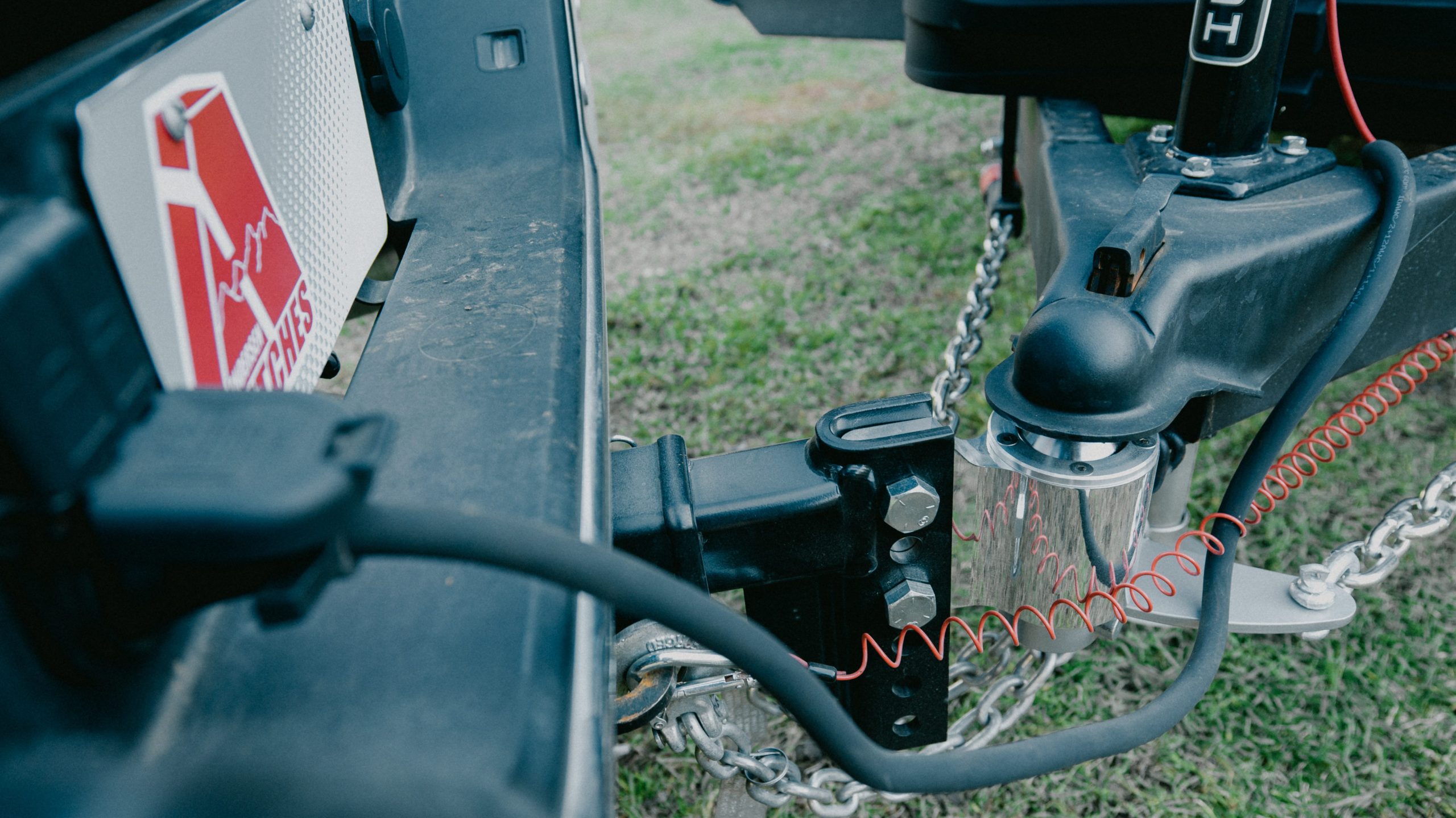
If you’re serious about towing, don’t cut corners. Take a hard look at your setup, and make the smart choice before your next trip. The benefits of a weight distribution hitch are not hype—they’re facts backed by experience, engineering, and real-world performance.
Yes, most systems come with detailed instructions and can be installed with basic tools. Andersen Hitches, for example, offers a user-friendly setup that makes the process quick and clean.
Not always. Lightweight trailers with balanced loads may not require one. But if you’re towing anything heavy or unbalanced, it’s a smart safety addition.
Traditional hitches can be noisy, but modern systems like Andersen’s are built to stay quiet, even on long drives.
Yes. Many hitches are designed to work in tandem with sway control, or even have sway control built right in.